If you are seeing ants inside your home during the winter months, you are not imagining things. While most people expect ant problems to start in spring or summer, winter ant activity is surprisingly common across North Carolina, especially during mild winters or sudden warm spells.
At Innovative Pest Solutions, we often receive calls from homeowners who are confused or concerned about ants showing up earlier than expected. The reality is that ants do not disappear in winter. Instead, their behavior changes, and in many cases, that shift brings them indoors.
Understanding why ants become active in winter and which species are most common in our area can help homeowners respond quickly and prevent small problems from turning into larger infestations. Here are some tips for preventing ants and identifying which kind you’re seeing.
Why Ants Are Active During Winter in North Carolina
North Carolina winters are relatively mild compared to many other parts of the country. Extended cold periods are often broken up by warmer days, which can trigger ant movement. During colder weather, ants retreat into protected areas such as soil, wall voids, crawlspaces, and foundations. When temperatures rise, even briefly, ants may begin foraging again.
Homes provide stable temperatures, moisture, and access to food, making them attractive shelter during winter. Ants that nest near foundations or under slabs can easily move inside through small cracks, plumbing penetrations, or gaps around doors and windows.
In many cases, homeowners are not seeing new infestations but rather ants that have been living close to the structure for some time and are now becoming more noticeable due to changing conditions.
The Most Common Ants We See During Winter in NC
Not all ants behave the same way in winter, and identifying the species involved is critical for effective control. In our service area, these are the ant problems we most commonly see during the colder months, listed in order of frequency.
Odorous House Ants

Odorous house ants are the most common ant issue we deal with, including during winter. These ants are small, dark in color, and known for the strong, unpleasant odor they release when crushed.
During winter, odorous house ants often nest inside wall voids, under floors, or near moisture sources. They are especially attracted to sugary foods and can form large colonies with multiple nesting sites. This makes them difficult to control with DIY treatments, as killing visible ants rarely addresses the colony itself.
Homeowners often notice odorous house ants trailing along baseboards, countertops, or near sinks, even when outdoor temperatures are cold. More about Odorous House Ants
Little Black Ants
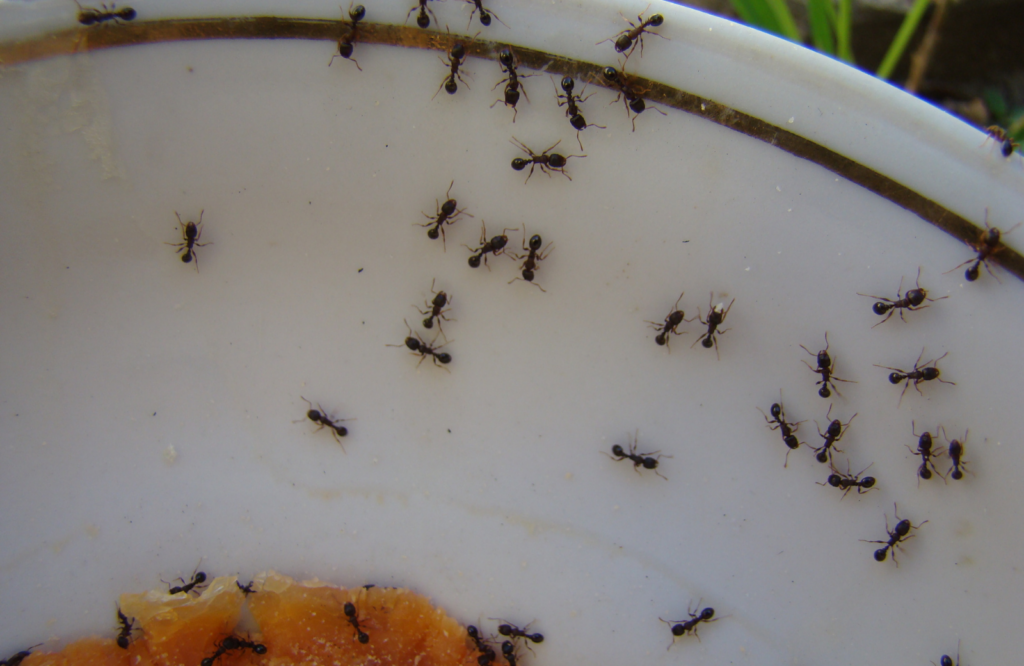
Little black ants are another frequent winter invader in North Carolina homes. As their name suggests, they are very small and easy to overlook at first.
These ants often nest in soil near foundations or under concrete and move indoors when conditions outside become less favorable. During winter, they may appear sporadically, especially in kitchens and bathrooms where moisture is present.
Because of their size, little black ants can enter through extremely small openings, making them difficult to exclude without a thorough inspection. More about Little Black Ants
Fire Ants
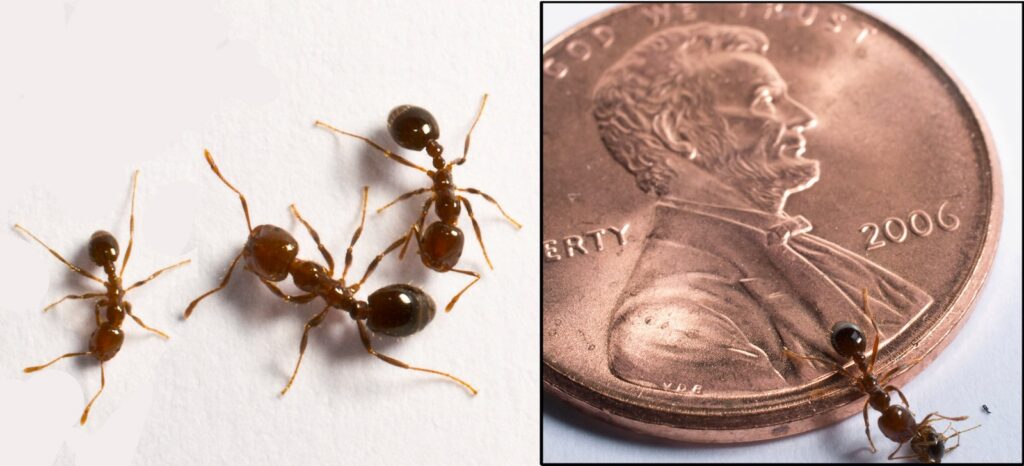
While fire ants are typically associated with warmer months, we do see fire ant activity during winter, particularly during mild periods.
Fire ants tend to nest outdoors, but when temperatures drop, they may move deeper into the soil or closer to foundations for warmth. In some cases, they can enter structures through slab cracks or expansion joints.
Fire ant activity in winter often catches homeowners off guard, especially when ants suddenly appear indoors after a brief warm spell. More about Fire Ants
Pavement Ants
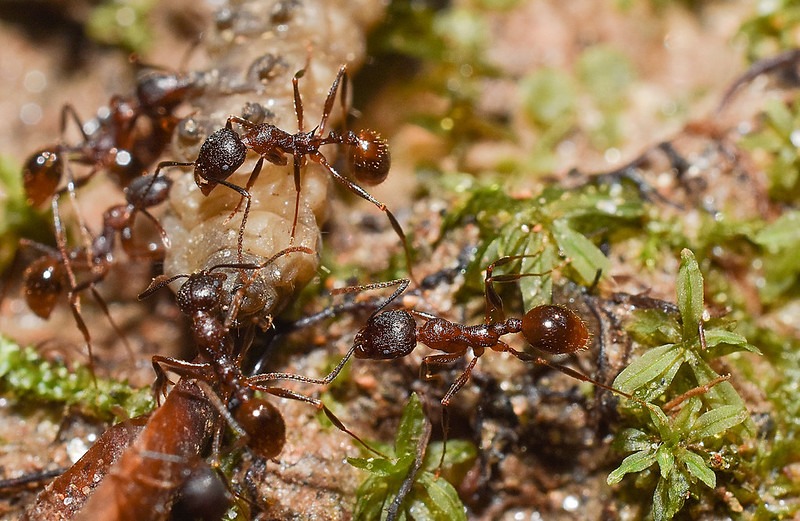
Pavement ants commonly nest under concrete slabs, sidewalks, driveways, and foundations. Because of this, winter conditions often push them closer to structures where temperatures remain more stable.
During winter, pavement ants may forage indoors, especially in lower levels of the home. Kitchens, basements, and crawlspaces are common areas where activity is noticed.
Their nesting habits make them particularly difficult to control with surface treatments alone. More about Pavement Ants
Argentine Ants

Argentine ants are less common but can be a serious issue when present. These ants form massive colonies and are known for displacing other ant species.
In winter, Argentine ants may move indoors in search of warmth and food, often appearing in large numbers. Their ability to establish multiple nesting sites makes infestations persistent and frustrating for homeowners.
Professional identification and targeted treatment are especially important when Argentine ants are involved. More about Argentine Ants
Carpenter Ants
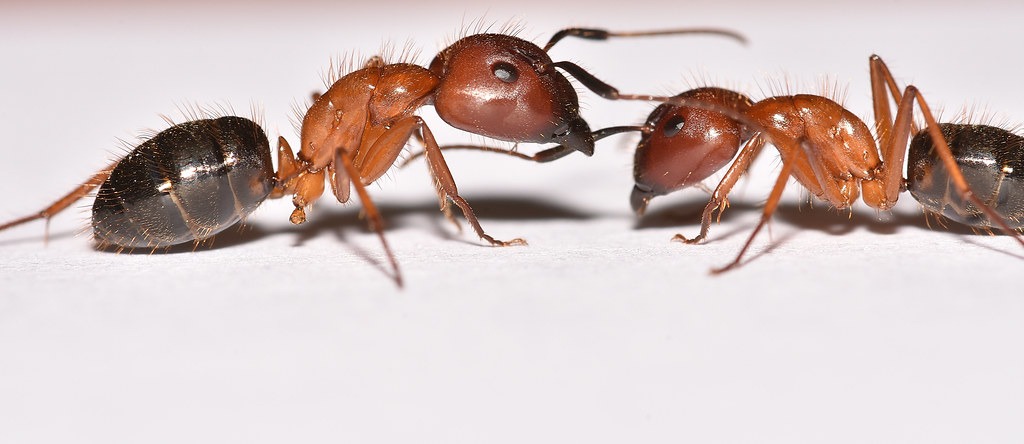
Carpenter ants are often mistaken for termites, but they behave very differently. While they do not eat wood, they tunnel through it to create nesting galleries, particularly in damp or damaged wood.
During winter, carpenter ants may remain hidden inside wall voids, crawlspaces, or structural wood. Homeowners may occasionally see activity indoors, which can indicate an established nest nearby.
Because carpenter ants are often associated with moisture issues, winter sightings should not be ignored. More about Carpenter Ants
Asian Needle Ants

Asian needle ants are an emerging concern in parts of North Carolina. These ants prefer shaded, wooded environments and often nest near foundations, under debris, or in mulch.
During winter, they may move closer to structures for protection. Asian needle ants are of particular concern because their sting can be painful and, in rare cases, cause allergic reactions.
Early identification and professional control are important when this species is suspected. More about Asian Needle Ants
Why Winter Ant Problems Are Often Misunderstood
Many homeowners assume ants should not be active in winter, which can delay action. In reality, winter ant activity often signals that ants are nesting close to or inside the structure.
DIY sprays may temporarily reduce visible ants, but they rarely eliminate the colony. In some cases, improper treatments can cause colonies to split and spread, leading to increased activity later.
Winter is actually one of the best times to address ant problems because colonies are more concentrated and easier to target with the right approach.
Essential Tips for Preventing Ants
If ants are appearing indoors during winter, it is important to avoid over-the-counter treatments that only address what is visible. Noting where ants are active, what areas they are attracted to, and when activity increases can be helpful information during a professional inspection.
Sealing obvious gaps, reducing moisture, and keeping food properly stored can help reduce attraction, but long-term control typically requires identifying the species and nesting location.
Don’t Ignore Early Ant Activity
Ants showing up early in the year are often a sign of an established problem rather than a random occurrence. Addressing winter ant activity early can prevent larger infestations once spring arrives. Now is the time to hire an exterminator.
If you are seeing ants inside your home during winter, a professional inspection can help determine the species involved and the best way to protect your home moving forward.
To stay up to date on Innovative Pest Solutions, follow us on social media and join our groups!
Instagram: @innovativepest
Facebook: @Innovative Pest Solutions, Inc.
Facebook Group: @Raleigh Area Pest Questions & Prevention
Nextdoor: Innovative Pest Solutions Inc
Website: Innovativepest.com
Phone: (919) 847-6267