
One of the most common questions homeowners ask during mosquito season is why mosquito treatments seem to work better in some yards than others.
The answer is simple:
Not every yard has the same mosquito conditions.
Across Raleigh, Durham, Chapel Hill, and the surrounding Triangle area, every property is different. Some homes are heavily wooded, some have drainage issues, and others may back up to creeks or natural areas. These environmental differences play a major role in how mosquito populations behave—and how treatments need to be applied.
At Innovative Pest Solutions, mosquito control is never a “one-size-fits-all” service. Different yards require different approaches, which is why understanding treatment methods matters.
Two of the most common mosquito treatment strategies involve targeted larval control, often called “bucket treatments” or breeding-site treatments, and adult mosquito fogging treatments. Both are effective, but they work very differently and are designed for different situations.
Why Mosquitoes Behave Differently from Yard to Yard
Mosquito populations depend heavily on the environment around the home.
Some yards naturally hold more moisture than others. Properties with thick landscaping, wooded areas, poor drainage, standing water, or nearby ponds and creeks often experience significantly heavier mosquito pressure.
Sun exposure also matters. Mosquitoes prefer cool, shaded, humid environments where they can rest during the day.
This is why two homes in the same neighborhood may experience completely different mosquito problems.
Understanding the Mosquito Life Cycle
To understand why treatments vary, it helps to understand how mosquitoes develop.
Mosquitoes begin as eggs laid in water. After hatching, larvae develop in standing water before becoming adult mosquitoes.
Because of this, mosquito control can target either:
- the developing larvae before they become adults
- or the adult mosquitoes already flying around the yard
This is where different treatment strategies come into play.
What “Bucket Treatments” or Larval Treatments Target
Larval control focuses on stopping mosquitoes before they become biting adults.
This type of treatment targets breeding sites where mosquito larvae are developing. In many cases, homeowners unknowingly create these breeding areas through standing water around the property.
Common breeding areas include:
- buckets
- clogged gutters
- flowerpot trays
- tarps
- wheelbarrows
- low drainage areas
- decorative containers
- standing water near the home
Larval treatments work best in yards where mosquito breeding sources are clearly identified and accessible.
When Larval Treatments Work Best
Larval treatments are especially effective when mosquito activity is being driven primarily by standing water directly on the property.
For example, if a homeowner has drainage problems or areas where water consistently collects after rain, treating those breeding sites can dramatically reduce mosquito populations before they ever become adults.
This approach works particularly well early in the season when mosquito populations are just beginning to build.
However, larval control alone may not fully solve the problem in heavily wooded areas or neighborhoods where mosquitoes are also coming from surrounding properties.
What Fogging Treatments Target
Fogging treatments focus on adult mosquito populations.
At Innovative Pest Solutions, fogging treatments are designed to target the places mosquitoes actually spend most of their time resting during the day. Contrary to what many people think, mosquitoes are not constantly flying around open lawns.
Most mosquitoes rest in shaded, cool, humid areas such as:
- bushes and shrubs
- tree lines
- dense landscaping
- underneath leaves
- shaded corners around the property
Using specialized fogging or mist-blower equipment allows treatment to penetrate deep into these areas where mosquitoes hide.
Why Fogging Is Often More Effective in Wooded Yards
Fogging treatments tend to perform especially well in heavily landscaped or wooded properties common throughout the Raleigh area.
Homes surrounded by trees or thick vegetation often have mosquito populations that are not solely breeding on the property itself. Mosquitoes may be traveling from neighboring wooded areas, retention ponds, or nearby moisture sources.
In these situations, reducing adult mosquito populations through fogging becomes much more important.
Fogging treatments help provide relief by targeting active adult mosquitoes where they are resting and feeding.
Why Timing Matters
Timing is another major factor in mosquito control effectiveness.
At Innovative Pest Solutions, April is often focused on prevention and preparing the yard by reducing standing water and moisture issues. Treatments typically begin in May when mosquito populations become consistently active.
Treating too early before mosquito activity increases may not provide the best long-term results. On the other hand, waiting until mosquito populations explode in mid-summer often means playing catch-up.
Consistent treatments during peak mosquito season help maintain control throughout the warmer months.
Why Some Yards Need Both Approaches
In many cases, the most effective mosquito control strategy combines both larval prevention and adult mosquito treatments.
Reducing breeding areas lowers the number of mosquitoes developing around the home, while fogging treatments reduce the adult populations already active in the yard.
This layered approach is especially effective in North Carolina, where mosquito pressure can remain high for several months due to the warm, humid climate.
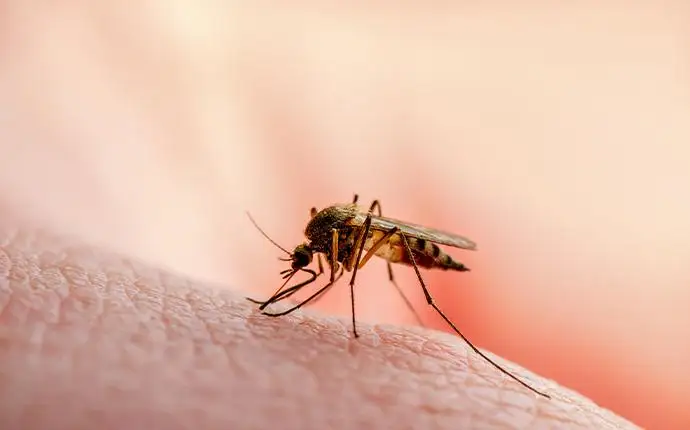
Environmental Conditions Matter More Than Homeowners Realize
Weather and environmental conditions heavily impact mosquito activity.
Heavy rain can quickly create new breeding sites. High humidity helps mosquitoes survive longer. Dense vegetation creates shaded resting areas.
Because these conditions constantly change, mosquito control often requires adjustments throughout the season depending on the property and weather patterns.
Why Professional Inspection Matters
One of the biggest advantages of professional mosquito service is identifying what is actually driving mosquito activity on a specific property.
At Innovative Pest Solutions, technicians evaluate:
- moisture conditions
- landscaping density
- standing water sources
- shaded resting areas
- surrounding environmental conditions
This helps determine whether the yard would benefit more from breeding-site reduction, fogging treatments, or a combination of both.
Not Every Yard Has the Same Mosquito Problem
Mosquito control is not just about spraying the yard. Different properties create different mosquito environments, which means treatments must be adjusted accordingly.
A heavily wooded backyard in Raleigh may need a very different approach than a sunny, open yard in Cary or Wake Forest.
Understanding these differences is what makes mosquito control more effective long-term.
Getting Ahead of Mosquito Season
The best mosquito control plans begin before populations peak.
Reducing standing water, maintaining landscaping, and starting consistent treatments early in the season can make a major difference in how enjoyable your yard feels throughout spring and summer.
If mosquitoes are making it difficult to enjoy your outdoor spaces, Innovative Pest Solutions can help homeowners across Raleigh, Durham, and Chapel Hill determine the best approach for their specific property.

To stay up to date on Innovative Pest Solutions, follow us on social media and join our groups!
Instagram: @innovativepest
Facebook: @Innovative Pest Solutions, Inc.
Facebook Group: @Raleigh Area Pest Questions & Prevention
Nextdoor: Innovative Pest Solutions Inc
Website: Innovativepest.com
Phone: (919) 847-6267
