
Living in a townhome offers many advantages. They’re often more affordable than single-family homes, require less exterior maintenance, and are conveniently located near shopping, restaurants, and major highways throughout Raleigh, Durham, Cary, Morrisville, Apex, and the rest of the Triangle.
However, townhomes also come with one unique challenge that many homeowners don’t think about until they experience it—shared pest problems.
Unlike detached homes, townhomes are connected by shared walls, shared attics, shared foundations, and in some cases, connected utility lines. That means pests don’t always stay within one unit. An issue that begins in one home can sometimes spread to neighboring units, making pest control more challenging if the problem isn’t addressed early.
At Innovative Pest Solutions, we regularly help townhome owners throughout the Triangle protect their homes from pests that can easily move between connected buildings. Understanding why this happens is the first step toward preventing larger infestations.
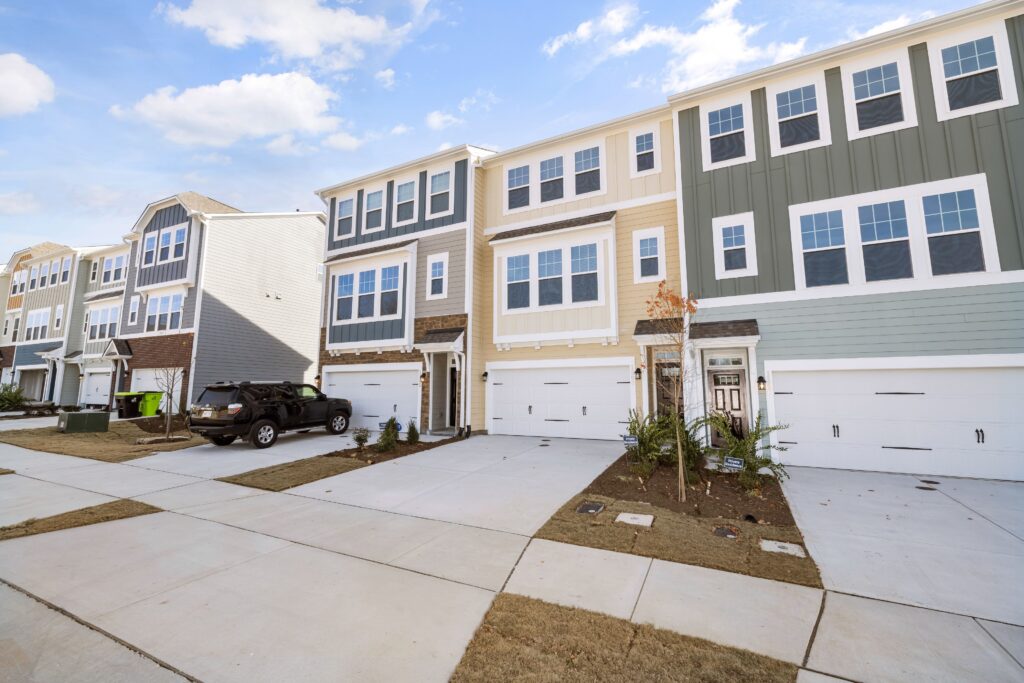
Townhomes Are Connected in More Ways Than You Think
While each townhome has its own address and living space, the building itself is often interconnected.
Depending on the construction, neighboring units may share:
- Firewalls between homes
- Continuous attic spaces
- Crawlspaces
- Roof structures
- Utility penetrations
- Foundation walls
- Expansion joints
Even when building codes require fire barriers between units, there are still numerous small openings for plumbing, electrical wiring, HVAC systems, and other utilities.
To a pest, these openings can become convenient travel routes.
Ants Don’t Recognize Property Lines
One of the most common pests we see spreading between townhomes is ants.
Most ant colonies live outside in the soil surrounding the building. Worker ants can travel surprisingly long distances in search of food and water, often entering multiple connected units from the same colony.
If one homeowner leaves food available or develops a moisture issue, ants may begin foraging inside that home. As the colony grows, neighboring units can also begin seeing activity—even if they’re doing everything right.
This is why it’s important to treat the exterior of the entire affected area rather than simply spraying where ants are visible indoors.
Cockroaches Can Travel Between Units
Cockroaches are another pest that commonly move through connected buildings.
German cockroaches, in particular, thrive indoors and can spread through shared walls, plumbing chases, utility openings, and behind kitchen cabinets. A population that starts in one unit can gradually expand into neighboring homes if left untreated.
Smoky brown cockroaches, which are more common outdoors in North Carolina, can also enter multiple townhomes from shared landscaping, mulch beds, crawlspaces, and foundation areas.
Because these pests reproduce quickly, early intervention is especially important.
Rodents Only Need a Small Opening
Mice are excellent climbers and can squeeze through openings about the size of a dime.
Once inside a connected building, they may travel through wall voids, attic spaces, garages, and utility chases before entering neighboring homes.
A homeowner may suddenly hear scratching in the walls without realizing the mouse originally entered the building several units away.
This is why rodent inspections often involve evaluating the exterior of the entire structure rather than focusing on just one home.
Moisture Problems Can Affect Multiple Homes
Many pest issues begin with moisture.
A leaking gutter, clogged downspout, damaged roof, plumbing leak, or poor drainage affecting one section of a townhome building can create favorable conditions for several different pests.
Springtails, termites, ants, cockroaches, millipedes, and centipedes all thrive in moist environments.
Because townhomes often share roof systems and drainage components, one moisture issue can sometimes increase pest pressure for multiple homeowners.
Shared Landscaping Creates Shared Pest Problems
Townhome communities often feature professionally maintained landscaping with mulch beds, ornamental shrubs, flower gardens, and mature trees.
While beautiful, these shared landscapes also provide excellent habitat for pests.
Ant colonies establish themselves beneath mulch. Cockroaches hide beneath leaf litter and landscape timbers. Spiders build webs throughout shrubs, while mosquitoes rest in shaded vegetation during the day.
Since these landscaping areas often extend continuously across multiple homes, pests can easily move from one section of the property to another.
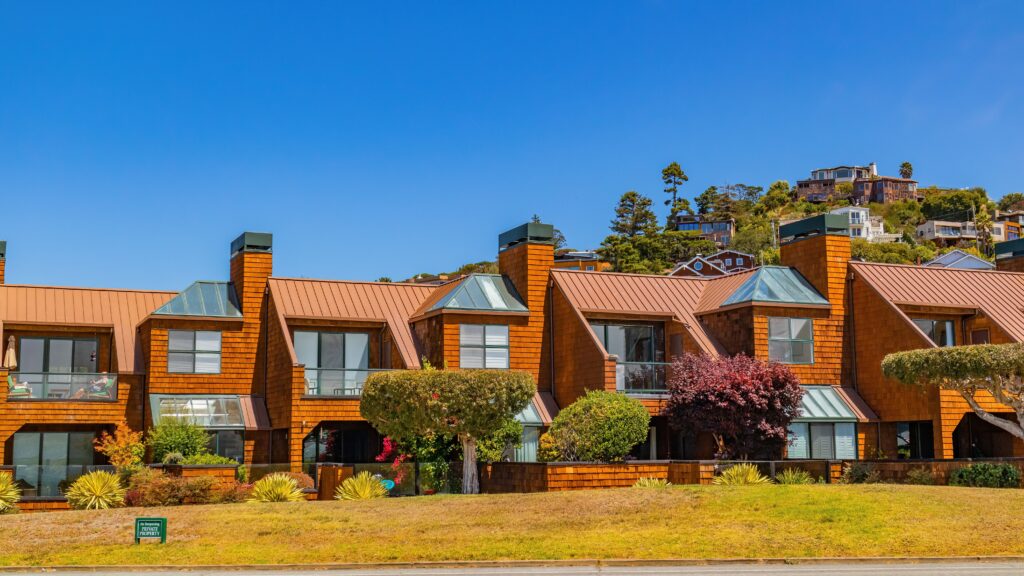
One Untreated Unit Can Affect Others
One challenge unique to attached housing is that pest control works best when everyone participates.
If one homeowner maintains routine preventative service while an adjacent unit has an untreated infestation, pests may continue moving between homes.
This doesn’t mean pest control won’t work, but coordinated treatment often produces faster and longer-lasting results.
Many homeowners associations recognize this and encourage or even provide routine pest control services for the entire community.
Exterior Prevention Is Especially Important
Because many pests originate outside, exterior pest control is one of the most effective ways to protect townhomes.
Creating a protective treatment around the foundation, entry points, landscaping, and other high-risk areas helps reduce pest populations before they ever enter the building.
At Innovative Pest Solutions, our exterior-first approach focuses on stopping pests before they move indoors. If activity is found inside, we can also provide targeted crack-and-crevice treatments where they’re needed.
Preventing pests from entering the structure in the first place is usually far more effective than chasing them once they’ve spread through connected units.
Communication Helps Solve Problems Faster
If you’re seeing recurring pest activity, it’s often worth asking whether nearby neighbors are experiencing similar issues.
You don’t need to know every detail of your neighbor’s pest situation, but shared observations can help identify larger building-wide concerns.
For example, if several homeowners suddenly begin seeing ants, cockroaches, or rodents around the same time, it may indicate a common source that should be addressed.
Property managers and homeowners associations can also play an important role in coordinating inspections and treatment when necessary.
Routine Inspections Catch Problems Early
One of the biggest advantages of regular pest control is identifying problems before they spread.
During every service, our technicians inspect for developing ant colonies, early wasp nests, moisture issues, damaged crawlspace vents, foundation gaps, and other conditions that could allow pests to move throughout the building.
Catching these issues early is often much easier—and far less expensive—than dealing with a widespread infestation later.
Living Close Together Doesn’t Mean Living With Pests
Sharing walls with neighbors doesn’t mean you have to share pest problems.
With routine inspections, preventative exterior treatments, moisture management, and early intervention, most common pest issues can be stopped before they spread through connected homes.
Whether you own a townhome in Raleigh, Cary, Durham, Apex, Morrisville, Chapel Hill, or elsewhere in the Triangle, proactive pest control is one of the best ways to protect both your home and your investment.
At Innovative Pest Solutions, we’ve been helping homeowners throughout the Triangle for more than 20 years. Our experienced technicians understand the unique challenges that come with attached housing and provide customized, exterior-focused pest control designed to keep pests from moving from one home to the next.
To stay up to date on Innovative Pest Solutions, follow us on social media and join our groups!
Instagram: @innovativepest
Facebook: @Innovative Pest Solutions, Inc.
Facebook Group: @Raleigh Area Pest Questions & Prevention
Nextdoor: Innovative Pest Solutions Inc
Website: Innovativepest.com
Phone: (919) 847-6267