
If you’ve ever walked into your garage, bathroom, basement, or crawlspace and spotted a long, crawling pest with dozens of legs, there is a good chance it was either a millipede or a centipede.
For many homeowners across Raleigh, Durham, Chapel Hill, and the surrounding Triangle area, these pests become especially noticeable during periods of wet weather, high humidity, or seasonal changes. While they may look alarming, one of the most important things to understand is that millipedes and centipedes are often connected to a much bigger issue:
Moisture.
At Innovative Pest Solutions, when we begin seeing increased millipede or centipede activity around a home, one of the first things we start looking for is excess moisture around the structure.

Understanding the Difference Between Millipedes and Centipedes
Although they are often confused with each other, millipedes and centipedes behave very differently.
Millipedes are slow-moving and typically curl up when disturbed. They are primarily scavengers that feed on decaying organic material such as leaves and mulch.
Centipedes move much faster and are predators that feed on insects and other small pests. They are often found hunting in damp environments where insect activity is present.
Despite these differences, both pests are strongly attracted to moisture-rich environments.
Why Moisture Attracts Them
Millipedes and centipedes lose moisture from their bodies very easily, which means they depend on humid environments to survive.
Damp soil, wet mulch, crawlspace humidity, leaking plumbing, poor drainage, and wet leaf litter all create ideal conditions for them. In North Carolina, the combination of high humidity and frequent rainfall creates especially favorable environments during spring and summer.
When moisture levels remain high around the home, populations of millipedes and centipedes often increase dramatically.
Why You See Them Indoors
Most millipedes and centipedes actually live outdoors. However, when environmental conditions change, they often begin moving closer to homes.
Heavy rain can flood their normal hiding places and push them toward drier shelter. At the same time, humid crawlspaces, garages, bathrooms, and basements provide cool, protected environments where moisture is still available.
This is why homeowners commonly see them:
- in bathrooms
- near garage doors
- around crawlspace entrances
- in laundry rooms
- along baseboards
- near plumbing areas
In many cases, they are entering through tiny gaps around doors, windows, foundations, or plumbing penetrations.
Crawlspaces Are One of the Biggest Contributors
In the Raleigh area, crawlspaces are one of the most common sources of millipede and centipede activity.
Crawlspaces naturally hold more humidity than other parts of the home, especially when ventilation is poor or moisture issues are present. Damp soil, condensation, standing water, or moisture-damaged wood underneath the home can create ideal environments for these pests.
Once populations develop underneath the home, millipedes and centipedes often begin wandering upward into living spaces through wall voids, plumbing gaps, and flooring penetrations.
This is one reason homeowners may repeatedly see them indoors even after removing visible pests.
Mulch and Yard Debris Also Play a Major Role
Outside the home, landscaping conditions heavily influence millipede and centipede activity.
Thick mulch beds, leaf piles, pine straw buildup, wood debris, and overgrown vegetation trap moisture and create cool hiding places. These conditions are especially common in wooded neighborhoods throughout Raleigh and the Triangle.
When moisture remains trapped around the foundation, it creates an easy transition area for pests to move from the yard into the home.
Centipedes May Also Indicate Another Pest Problem
While millipedes are mostly scavengers, centipedes are hunters.
This means that if centipedes are active around the home, they may also be feeding on other insects already present. Spiders, ants, roaches, silverfish, and other small pests can all serve as food sources.
In some cases, seeing centipedes regularly may indicate that another underlying pest issue is also developing nearby.
Why Activity Gets Worse After Rain
One of the biggest triggers for millipede and centipede activity is heavy rain.
Saturated soil forces these pests to leave their normal hiding places in search of drier shelter. This often leads them directly toward homes, garages, crawlspaces, and basements.
At the same time, rainy weather increases humidity levels around the structure, making indoor areas more favorable for survival.
This is why homeowners often experience sudden spikes in activity after storms or extended rainy periods.
Why DIY Treatments Usually Only Help Temporarily
Many homeowners try using indoor sprays when they begin seeing millipedes or centipedes inside.
While this may kill the pests that are visible, it rarely addresses the environmental conditions attracting them in the first place. If moisture issues remain around the home, new pests will continue moving in.
Because these pests are so dependent on humidity and moisture, long-term control usually requires correcting the underlying conditions contributing to the problem.
How Professional Pest Control Helps
At Innovative Pest Solutions, treating millipedes and centipedes involves much more than simply spraying indoors.
Our technicians inspect the property for:
- moisture issues
- crawlspace conditions
- drainage problems
- excessive mulch or debris
- entry points around the structure
- conducive environmental conditions
Exterior treatments help reduce populations around the home before they move indoors. We also focus on identifying the areas where moisture is creating favorable conditions for ongoing activity.
In many cases, improving drainage, reducing excess moisture, and maintaining consistent preventative pest control service significantly reduces these problems over time.
The Good News About Millipedes and Centipedes
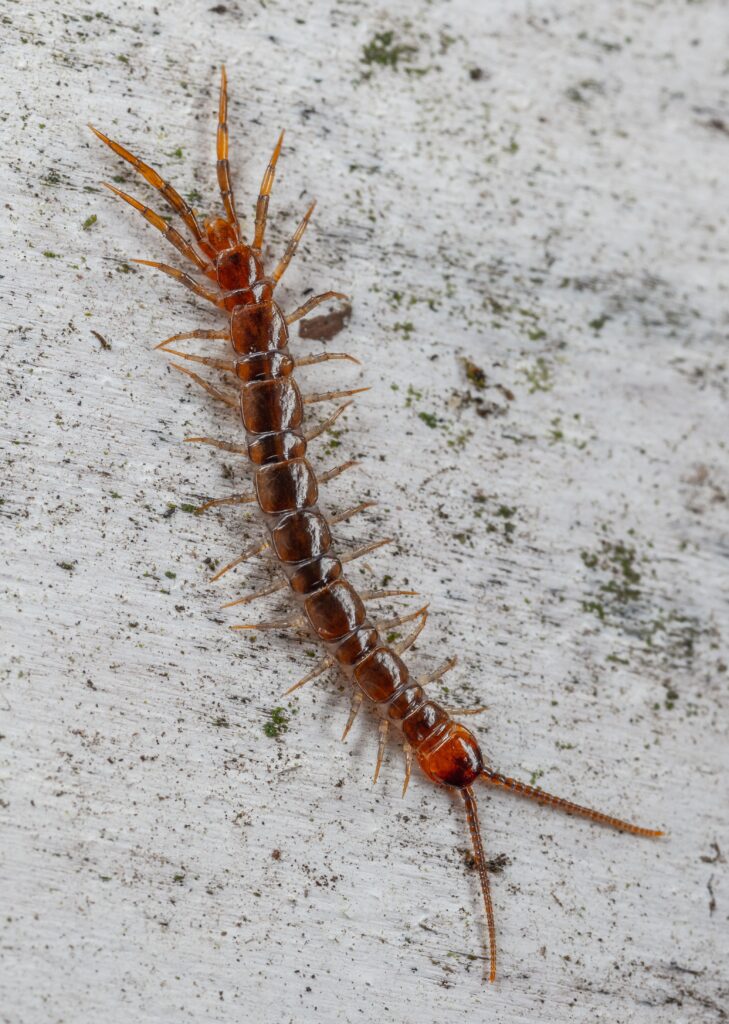
While these pests can be unpleasant to encounter, they are often more of an indicator problem than a structural threat.
Their presence usually means the environment around the home is too damp or humid, not that the home itself is being damaged.
Addressing moisture conditions early can help prevent many future pest issues beyond just millipedes and centipedes.
Protecting Your Home Starts with Moisture Control
If you are seeing millipedes or centipedes regularly around your home, there is a good chance moisture is playing a role somewhere nearby.
By improving drainage, reducing humidity, maintaining crawlspaces, and addressing conducive conditions around the property, homeowners can make their homes much less attractive to these pests.
If you are dealing with recurring moisture-related pest issues, Innovative Pest Solutions can help homeowners across Raleigh, Durham, and Chapel Hill identify the source of the problem and create a plan for long-term protection.
To stay up to date on Innovative Pest Solutions, follow us on social media and join our groups!
Instagram: @innovativepest
Facebook: @Innovative Pest Solutions, Inc.
Facebook Group: @Raleigh Area Pest Questions & Prevention
Nextdoor: Innovative Pest Solutions Inc
Website: Innovativepest.com
Phone: (919) 847-6267