
As temperatures rise across Raleigh, Durham, Chapel Hill, and the surrounding Triangle area, pest activity begins increasing rapidly. Ants become more aggressive, mosquitoes multiply after rainstorms, roaches thrive in humidity, and stinging insects begin expanding their nests.
When homeowners first notice pests around the home, many try to solve the problem themselves with store-bought sprays, traps, or home remedies. While this seems like a quick and inexpensive solution, DIY pest control mistakes often create bigger problems—especially during the summer months when pest populations are at their peak.
At Innovative Pest Solutions, we frequently visit homes where a small pest issue has turned into a larger infestation after unsuccessful DIY treatments. Understanding the most common mistakes homeowners make can help prevent frustration and long-term pest problems.
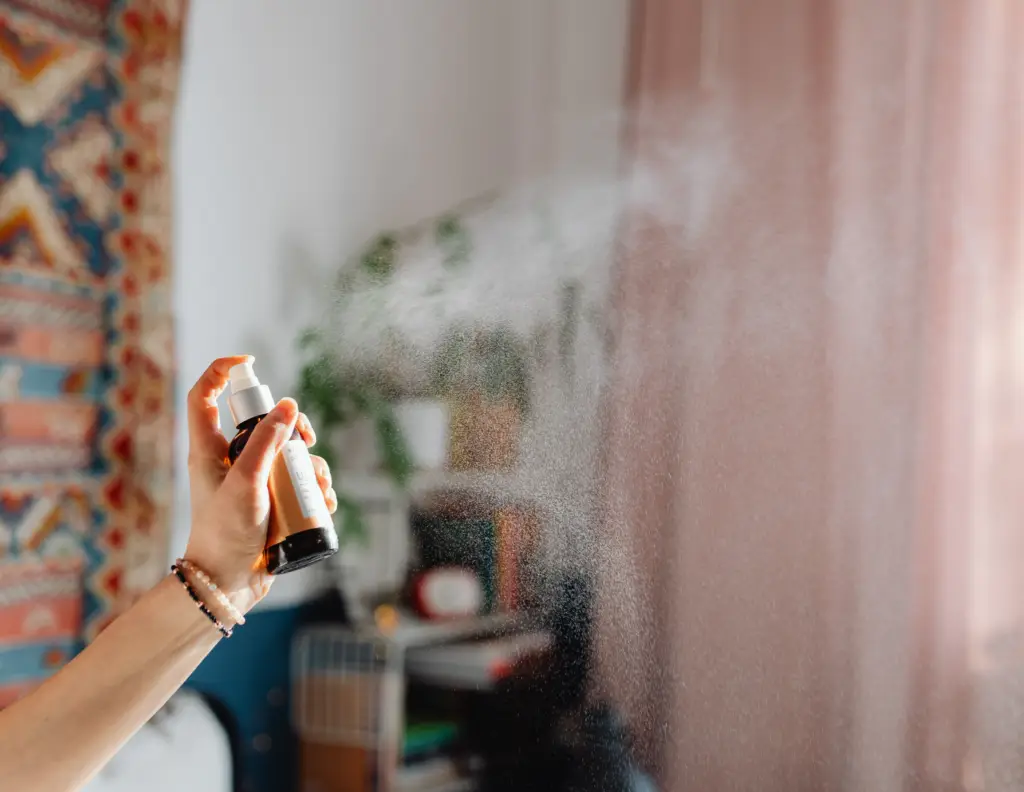
Treating the Symptoms Instead of the Source
One of the biggest DIY pest control mistakes is only treating the pests that are visible.
For example, homeowners may spray ants along a countertop or kill a few roaches they see in the garage. While this removes the immediate pests, it does not address the colony, nesting site, or conditions causing the infestation.
In many cases, the pests you see are only a small part of the overall problem.
Ant colonies may be located outside near the foundation. Roaches may be living in crawlspaces or mulch beds. Mosquitoes may be breeding in standing water nearby.
Without addressing the source, the infestation continues growing even if the visible pests temporarily disappear.
Using Too Much Product
Another common mistake is overapplying store-bought products.
Many homeowners assume that using more spray or more bait will solve the problem faster. In reality, overapplication can reduce effectiveness and sometimes make infestations harder to control.
Certain ant species common in North Carolina, such as odorous house ants, can actually split their colonies when disturbed improperly. This process, known as budding, can spread the infestation into multiple colonies instead of eliminating it.
Excessive spraying can also drive pests deeper into walls, crawlspaces, or hidden areas of the home where they become harder to reach.
Ignoring Moisture Problems
Summer pest infestations in Raleigh are heavily tied to moisture.
Ants, roaches, mosquitoes, termites, and even spiders are all attracted to damp environments. Unfortunately, many DIY treatments focus only on killing pests without addressing the conditions attracting them.
Leaking pipes, clogged gutters, standing water, damp crawlspaces, and overwatered landscaping all contribute to pest activity.
Without correcting these issues, pests are likely to keep returning no matter how much product is applied.
Treating Inside While the Problem Is Outside
Many homeowners focus entirely on interior treatments because that is where they notice the pests.
However, most summer pest problems actually begin outdoors.
Smoky brown roaches usually live outside in mulch, leaf litter, and gutters before moving indoors. Ant colonies often nest around the foundation or yard. Mosquitoes develop in standing water outside long before homeowners notice them flying around patios.
Treating only the inside of the home often leaves the actual pest population untouched.
At Innovative Pest Solutions, our approach focuses heavily on exterior treatments because stopping pests before they enter is usually much more effective than reacting once they are inside.
Misidentifying the Pest
Not all pests behave the same way, even when they look similar.
Many homeowners assume all ants can be treated the same, but different species require different approaches. Carpenter ants, odorous house ants, pavement ants, and fire ants all behave differently and respond differently to treatment.
The same is true for roaches. German roaches require a completely different treatment plan than smoky brown roaches.
Misidentifying the pest often leads to ineffective treatment and wasted time.
Waiting Too Long to Address the Problem
Summer pests reproduce quickly in North Carolina’s warm, humid climate.
Mosquitoes can develop from egg to adult in about a week. Ant colonies expand rapidly during warm weather. Roach populations can grow quickly in favorable conditions.
Many homeowners wait too long hoping the problem will go away on its own. By the time professional help is called, what started as a small issue may have become a much larger infestation.
Early intervention is almost always easier and more effective.
Relying on Temporary Fixes
DIY pest control often focuses on quick results instead of long-term prevention.
Homeowners may repeatedly spray areas where pests appear without understanding why the pests are there in the first place. While this may reduce activity temporarily, it rarely prevents pests from returning.
Long-term pest control requires identifying entry points, environmental conditions, nesting sites, and seasonal activity patterns.
Without addressing these factors, infestations often become recurring problems.
Overlooking Entry Points Around the Home
Many pests enter homes through extremely small gaps and openings.
Cracks around windows and doors, crawlspace vents, plumbing penetrations, and gaps around utility lines are all common entry points in Raleigh homes.
DIY treatments often fail because pests continue entering through the same openings after treatment.
Inspection and exclusion are important parts of long-term prevention.
Why Summer Makes DIY Problems Worse
North Carolina summers create ideal conditions for pest activity.
Heat, humidity, and frequent rainstorms accelerate insect reproduction and increase pest pressure around homes. Because pest populations are larger and more active during summer, ineffective DIY treatments tend to fail more quickly.
This is also why infestations can seem to “explode” during the warmer months.
Why Professional Pest Control Works Differently
Professional pest control is not just about applying product. It involves identifying the pest correctly, locating where activity is coming from, understanding seasonal behavior, and addressing conditions contributing to the infestation.
At Innovative Pest Solutions, our technicians focus on inspection just as much as treatment. We look for moisture issues, entry points, harborage areas, and environmental conditions that may be contributing to the problem.
Exterior treatments, targeted crack-and-crevice applications, and preventative service plans all work together to create long-term protection rather than temporary relief.
Don’t Let DIY Mistakes Turn Into Bigger Problems
DIY pest control may seem convenient, but during the summer months it often leads to recurring infestations and more frustration.
Addressing pest problems correctly the first time can save homeowners time, stress, and money in the long run.
Stay Ahead of Summer Pest Problems
Summer is one of the busiest pest seasons in North Carolina, and small issues can grow quickly if left untreated.
If pests keep returning despite DIY treatments, Innovative Pest Solutions can help homeowners across Raleigh, Durham, and Chapel Hill identify the source of the problem and create a plan for lasting protection.

To stay up to date on Innovative Pest Solutions, follow us on social media and join our groups!
Instagram: @innovativepest
Facebook: @Innovative Pest Solutions, Inc.
Facebook Group: @Raleigh Area Pest Questions & Prevention
Nextdoor: Innovative Pest Solutions Inc
Website: Innovativepest.com
Phone: (919) 847-6267